Metro bus tour in Hollywood, CA

Public Transportation Options in Hollywood, CA: Connecting the Entertainment Capital

Taking The Bus to Your Hollywood Bus Tour

Hollywood, California, for decades known as the epicenter of the global entertainment industry, is a vibrant and bustling neighborhood within the confines of the city of Los Angeles. Famous for its ubiquitous tours of Hollywood, iconic Walk of Fame, historic silent-era theaters, and of course everyone’s favorite, the Hollywood Sign, this tourist-friendly attracts millions of visitors each year many of whom opt to take a bus tour of celebrity homes. However, the high population density and traffic congestion in the area make public transportation a crucial component of the city’s infrastructure. In this essay, we will explore the extensive public transportation options available in Hollywood, emphasizing their significance in reducing traffic congestion, promoting sustainability, and facilitating seamless mobility for residents and tourists alike.

  1. Metro Rail

One of the most prominent public transportation options in Hollywood is the Metro Rail system, operated by the Los Angeles County Metropolitan Transportation Authority (Metro). The Metro Rail consists of multiple lines, with two of them serving Hollywood: the Red Line and the Purple Line.

The Red Line, also known as the “Hollywood/Highland” station, provides direct access to some of the most famous landmarks in the area, including the Hollywood Walk of Fame, TCL Chinese Theatre, and the Dolby Theatre (home to the Academy Awards). The Red Line connects Hollywood to Downtown Los Angeles, North Hollywood, and Universal City, making it a popular choice for both residents and tourists.

The Purple Line extension, currently under construction, aims to further enhance public transportation connectivity in Hollywood. Once completed, it will provide an underground link from Downtown Los Angeles through Koreatown, Miracle Mile, and Beverly Hills, eventually reaching Westwood. This expansion will offer even more convenient options for travelers and commuters within Hollywood and beyond.

  1. Bus Services

In addition to the Metro Rail system, Hollywood boasts an extensive network of bus services that crisscross the neighborhood and connect it to other parts of Los Angeles. The Metro bus system, which includes local, Rapid, and Express routes, offers a flexible and affordable way to navigate Hollywood and its surrounding areas.

Local buses like Metro Lines 2 and 4 provide essential transit within Hollywood, serving neighborhoods such as Hollywood Hills, East Hollywood, and West Hollywood. They are a lifeline for residents, making it easier to access schools, businesses, and amenities without relying on personal vehicles.

Rapid buses, such as Metro Line 704, provide a quicker way to traverse the city. They make fewer stops, making them ideal for those who need to reach their destinations promptly. The 704 Rapid bus, for example, connects Hollywood to Downtown Los Angeles and Santa Monica, offering a convenient link to the beach.

Express buses like Metro Line 501 offer a direct connection from Hollywood to other parts of Los Angeles County. These buses are particularly beneficial for commuters traveling longer distances, as they minimize travel time by bypassing many local stops.
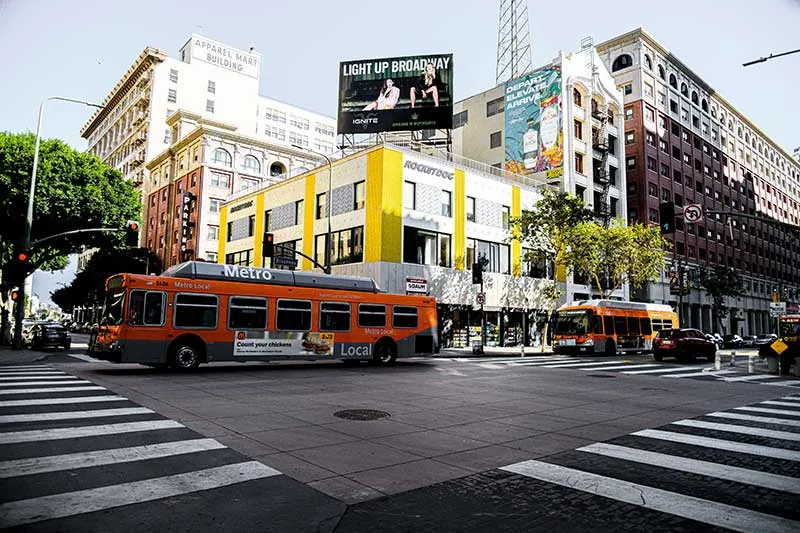
Metro bus tour in Hollywood, CA

Metro bus tour in Hollywood, CA

  1. Metro Bike Share

To further encourage sustainable transportation, Hollywood offers a Metro Bike Share program. This initiative allows residents and visitors to rent bicycles conveniently and explore the neighborhood at their own pace. Bike-sharing stations are strategically placed throughout Hollywood, making it easy to access this eco-friendly mode of transportation.

With bike lanes and dedicated paths, Hollywood is becoming increasingly bike-friendly, enabling riders to reach their destinations quickly and enjoy scenic routes while reducing their carbon footprint.

  1. Ride-Sharing Services

While public transportation options are prevalent in Hollywood, ride-sharing services like Uber and Lyft also play a significant role in the area’s transportation ecosystem. These services provide a convenient and flexible means of getting around, especially for those traveling to locations not directly serviced by public transit.

Ride-sharing complements public transportation by offering the first-mile and last-mile connectivity. Passengers can use ride-sharing services to reach Metro stations or bus stops efficiently, bridging the gap between their homes or hotels and public transit hubs.

  1. Accessibility for All

Public transportation in Hollywood is designed to be inclusive and accessible to people of all abilities. Metro buses and trains are equipped with features such as ramps, wheelchair spaces, and priority seating to accommodate passengers with mobility challenges. Additionally, audio and visual announcements make it easier for individuals with visual or hearing impairments to navigate the system.

Hollywood’s commitment to accessibility extends beyond vehicles. Sidewalks, bus stops, and transit stations are designed to be wheelchair-friendly, ensuring that everyone can comfortably use public transportation.

  1. Environmental Benefits

One of the most significant advantages of public transportation in Hollywood is its positive impact on the environment. Los Angeles, like many major cities, faces challenges related to air quality and greenhouse gas emissions. Public transit reduces the number of cars on the road, leading to decreased congestion and lower emissions.

The expansion of Metro Rail lines and the promotion of bike-sharing programs are part of the city’s efforts to encourage sustainable transportation choices. By choosing public transit or biking, individuals can contribute to reducing the city’s carbon footprint and improving air quality.

  1. Economic Benefits

Public transportation also offers economic benefits to Hollywood and its residents. By providing reliable transit options, the city supports the workforce and enables people to access employment opportunities throughout the region.

The presence of efficient public transportation can also increase property values and stimulate economic development. Businesses near transit stations often experience higher foot traffic, leading to increased revenue. Additionally, well-connected neighborhoods tend to attract investors, developers, and new residents, further boosting the local economy.

  1. Reducing Traffic Congestion

Hollywood is notorious for its traffic congestion, particularly along major thoroughfares like Hollywood Boulevard and Sunset Boulevard. Public transportation serves as a viable solution to this issue. By enticing people to leave their cars at home and use buses or trains instead, public transit alleviates congestion, reduces travel times, and eases the stress associated with navigating through heavy traffic.

The Metro Rail lines, in particular, have been instrumental in reducing traffic in Hollywood. Commuters who previously relied on their cars have found a more efficient and time-saving alternative in the Metro Red Line, which connects Hollywood to downtown Los Angeles in about 15 minutes during peak hours.

  1. Entertainment and Tourism

Hollywood is a global hub for entertainment, attracting millions of tourists each year. Public transportation plays a vital role in catering to the needs of these visitors. Tourists staying in Hollywood hotels often rely on public transit to explore the city’s attractions, from the Hollywood Sign and Griffith Observatory to Universal Studios and the Hollywood Bowl.

By offering convenient and affordable transportation options, Hollywood ensures that tourists can experience the glamour and excitement of the entertainment capital without the stress of driving in unfamiliar surroundings. This accessibility enhances the overall tourism experience and contributes to the economic prosperity of the district.

  1. Future Developments and Challenges

While Hollywood’s public transportation system has made significant strides in recent years, challenges remain. The expansion of the Purple Line and continued improvements to bus services are essential steps toward enhancing connectivity. However, funding and infrastructure development are ongoing concerns.

Another challenge is the need to balance the growth of public transportation with the preservation of the neighborhood’s unique character and historic landmarks. Hollywood’s iconic theaters and landmarks must be protected while accommodating new transit infrastructure.

In conclusion, public transportation in Hollywood, CA, plays a vital role in connecting the entertainment capital to the rest of Los Angeles County. With the Metro Rail system, extensive bus services, bike-sharing programs, and ride-sharing options, residents and visitors have a wide range of choices for getting around the neighborhood. Hollywood’s commitment to accessibility, sustainability, and economic development ensures that public transportation will continue to be a driving force in reducing traffic congestion, promoting environmental stewardship, and facilitating seamless mobility in this iconic district.


Startracktours.com/

Fire Safety in Movie Studios in Hollywood: Protecting the Magic

Preserving The Memories You Come To See on Tours of Hollywood

Hollywood, often dubbed the “Entertainment Capital of the World,” is synonymous with the film industry’s glitz, glamour, and creative excellence. Behind the scenes, the magic of Hollywood comes to life in sprawling movie studios where filmmakers bring their visions to reality. However, the enchanting world of movie making also has its fair share of risks, and fire safety is a paramount concern in these studios. In this essay, we will delve into the intricacies of fire safety in Hollywood movie studios, exploring the measures in place to protect both the talent and the priceless cinematic treasures.

Historical Perspective

Hollywood’s history is marked by not only cinematic achievements but also a few unfortunate incidents related to fires on movie sets. One notable tragedy occurred in 1937 during the filming of “In Old Chicago” when a fire at the 20th Century Fox studios claimed the lives of six people, including three firefighters. This incident served as a stark reminder of the importance of fire safety in movie studios.

Since then, Hollywood has made significant strides in enhancing fire safety measures. Modern movie studios are equipped with state-of-the-art technology, rigorous safety protocols, and dedicated personnel to prevent and respond to fire emergencies. Let’s delve deeper into the various aspects of fire safety within these studios.

Infrastructure and Design

The design and infrastructure of Hollywood movie studios are meticulously planned to minimize fire risks. Studios often consist of sound stages, sets, production offices, and various specialized areas. The materials used in these structures are chosen with fire safety in mind.

  1. Sound stages: These are the heart of a studio, where most of the filming takes place. They are constructed using fire-resistant materials like concrete, steel, and fire-resistant drywall. Additionally, sound stages have integrated sprinkler systems and fire-resistant curtains to contain any potential fire outbreaks.
  2. Sets: Movie sets, which can mimic various environments, are also constructed with fire safety in mind. Flammable materials are minimized, and any necessary combustibles are properly stored and handled. Fire-resistant paints and coatings are often used to reduce the risk of a fire spreading.
  3. Production offices: Administrative areas within studios are equipped with fire alarms, extinguishers, and clear evacuation plans. Regular fire drills ensure that all studio personnel know how to respond in case of a fire emergency.
Hollywood tour fire safety old celluloid

Hollywood tour fire safetyincludes preserving old celluloid

Fire Detection and Suppression Systems

Modern Hollywood studios are equipped with advanced fire detection and suppression systems to detect and mitigate fire risks as early as possible. These systems include:

  1. Fire alarms: Studios have sophisticated fire alarm systems that use smoke and heat detectors to alert occupants of potential fire hazards. These alarms are connected to a central monitoring station, allowing for a quick response from the fire department if necessary.
  2. Sprinkler systems: Automatic sprinkler systems are strategically placed throughout the studio facilities. These systems can quickly douse a fire, preventing it from spreading to other areas.
  3. Fire extinguishers: Fire extinguishers are readily available throughout the studios, with different types to handle various fire types, such as electrical, chemical, or combustible materials fires.
  4. Emergency lighting: In the event of a power outage caused by a fire, emergency lighting systems ensure that evacuation routes remain illuminated, aiding safe evacuation.
  5. Fire hydrants and water supply: Studios typically have dedicated fire hydrants and a reliable water supply to ensure that firefighters have the necessary resources to combat any blaze effectively.

Fire Safety Training and Drills

Ensuring the safety of studio personnel is paramount. All employees, from actors to crew members, undergo fire safety training. This training includes:

  1. Fire evacuation procedures: Everyone in the studio is familiar with evacuation routes and assembly points in case of a fire emergency.
  2. Use of fire extinguishers: Personnel are trained in how to operate fire extinguishers effectively to combat small fires before they escalate.
  3. Emergency response: Studios have designated personnel responsible for coordinating emergency response efforts, including calling the fire department and managing evacuations.
  4. Regular drills: Fire drills are conducted regularly to reinforce fire safety protocols and ensure that everyone knows how to react swiftly and calmly in an emergency.

Fire Safety Regulations and Compliance

Hollywood movie studios must adhere to stringent fire safety regulations imposed by local and state authorities. These regulations are in place to ensure that studios maintain the highest standards of safety. Compliance includes:

  1. Permits and inspections: Studios must obtain permits for various activities, and these permits are often contingent on passing fire safety inspections. These inspections assess the studio’s compliance with fire codes and safety measures.
  2. Occupancy limits: Studios are subject to occupancy limits, ensuring that the number of people on set or in production areas does not exceed the capacity for safe evacuation in case of a fire.
  3. Hazardous materials: The handling and storage of hazardous materials, such as pyrotechnics and flammable props, are closely regulated. Studios must have special permits for the use of such materials and take extra precautions.
  4. Fire department coordination: Studios work closely with local fire departments to ensure a rapid response to emergencies. This includes providing fire departments with accurate layouts of studio facilities and access routes.

Pyrotechnics and Special Effects

Hollywood productions often involve elaborate pyrotechnics and special effects, which can pose unique fire risks. To mitigate these risks, studios employ certified pyrotechnicians and special effects experts who are well-versed in fire safety protocols. They also:

  1. Obtain permits: Special permits are typically required for any pyrotechnic or explosive effects. These permits involve detailed safety plans and on-site inspections.
  2. Fireproofing: Sets and props that will be subjected to pyrotechnics are often treated with fire-resistant materials to minimize the risk of a fire spreading.
  3. Safety zones: When pyrotechnics are used, safety zones are established to keep personnel and equipment at a safe distance. Only essential personnel are allowed within these zones.
  4. Fire blankets and extinguishers: Pyrotechnicians and special effects crews have fire blankets and extinguishers on hand in case of unexpected fire incidents.

Emergency Response

Despite all preventive measures, fires can still occur on movie sets. In such cases, a swift and effective emergency response is critical:

  1. Immediate notification: If a fire breaks out, the studio’s fire alarm system will notify occupants and the fire department simultaneously.
  2. Evacuation: All personnel follow established evacuation procedures, using designated routes and assembly points. These procedures are practiced regularly to ensure everyone knows what to do.
  3. Fire department response: The fire department arrives quickly, thanks to prior coordination and clear access routes. Their first priority is to extinguish the fire and ensure the safety of all occupants. Note that some studios like Universal have their own on-site fire station.
  4. Emergency medical care: In addition to fire suppression, firefighters are trained to provide basic medical care in case of injuries during a fire incident.

Preservation of Cinematic Treasures

Apart from protecting lives and property, Hollywood studios have a responsibility to safeguard their cinematic treasures, which include film reels, props, costumes, and archival materials. Fire poses a significant threat to these irreplaceable assets. Studios employ several strategies to protect their cinematic history:

  1. Archival storage: Studios maintain dedicated archival storage facilities designed with fire-resistant materials and fire suppression systems to protect original film reels and historical documents.
  2. Digitization: Many studios have embarked on digitization projects to create digital backups of their film libraries, ensuring that the content remains accessible even if the original reels are damaged in a fire.
  3. Prop storage: Valuable props and costumes are stored in climate-controlled and fire-resistant storage areas to reduce the risk of damage in case of a fire.
  4. Insurance: Studios typically carry comprehensive insurance policies that cover not only property but also the potential loss of historical assets in case of fire or other disasters.

Conclusion

Fire safety in Hollywood movie studios is a multifaceted endeavor that encompasses infrastructure design, state-of-the-art detection and suppression systems, comprehensive training, and strict compliance with regulations. The tragic incidents of the past have spurred the industry to take robust measures to protect lives, property, and cinematic history.

While Hollywood’s focus is on creating captivating stories and iconic performances, it also understands the gravity of ensuring that these stories can be told safely, without the shadow of a devastating fire. By continuing to invest in fire safety measures and staying vigilant, Hollywood studios can continue to thrive while preserving the magic of the silver screen for generations to come.

startracktours.com

Jay Leno seen on Hollywood tour

Do You Really See Stars On A Hollywood Tour?

Bus Tours of Hollywood May Surprise You!

Our Hollywood tours show you a lot of famous sites like the Chinese Theater or the Walk of Fame, but visitors to Hollywood always want to know, “am I going to see a famous person if I take your tour?” The short answer is—maybe. It may come down to luck but it’s also a matter of statistics. More celebrities live in the Hollywood/Beverly Hills area so there’s a much higher chance that you’re going to see a star on one of our tours of Hollywood than, say, in Bismark, North Dakota. That’s just a fact.

Also, most of our tours take place during the day and specifically in the afternoons. Now think. What do a lot of celebrities like to do during the day? Have lunch! Odds are in your favor that you might catch a glimpse of a star driving to or from one of Hollywood’s famous eateries like Musso & Frank (highly recommended, by the way). Our Hollywood tours buses are on the roads showing you many of the star’s homes and that’s also a prime place to see someone famous. After all, they do have to pull in and out of their driveways to get where they’re going, just like you and us. And many is the time our bus has pulled up to a stop light only to find someone famous in the lane next to us. That’s where our open windows really shine.

Need proof? Well, on one of our most recent tours, who should pull up next to us but Jay Leno! The former Tonight Show host lives in the area and can often be seen driving one of his many automobiles. We’ve seen him in his 1909 White steam car. On this particular occasion, however, he was just driving a regular (21st century) car. We don’t think our passengers cared too much—they were too busy snapping photos of their brush with fame.\

Jay Leno seen on Hollywood tour

Jay Leno seen on Hollywood tour

While it’s not guaranteed you’ll see someone noteworthy on our bus tours of Hollywood, you never know, and that makes it all the more exciting. We love it when we do get to see someone famous because it makes our customers’ day and it’s something they’ll be able to take back home with them and share with friends. It’s one of the reasons we do what we do.

Want to see stars? Hop on a Star Track tour and keep your fingers crossed because you never know!

https://www.staging.startracktours.com/

Single firework over Hollywood California on the 4th of July

A Fourth of July Hollywood Tour

Independence Day in Tinseltown

Celebrating Independence Day in Hollywood, California offers a plethora of exciting activities and sights. Here are some things to do and see on July 4th in Hollywood. This is, of course, after you spend the day touring Hollywood with Star Track Tours!

  1. Hollywood Bowl Fireworks Spectacular: The Hollywood Bowl hosts an annual Independence Day celebration featuring a stunning fireworks display accompanied by live music. Grab your picnic blanket and enjoy a night under the stars while listening to patriotic tunes and being mesmerized by the colorful fireworks.
  2. Hollywood Walk of Fame: Take a stroll along the iconic Hollywood Walk of Fame and admire the stars honoring influential figures from the entertainment industry. It’s a great opportunity to explore the history of Hollywood and perhaps even spot a celebrity or two.
  3. Griffith Observatory: Head up to Griffith Observatory for panoramic views of Los Angeles and the surrounding area. From there, you can also catch a glimpse of fireworks displays across the city. Additionally, the observatory often hosts special events and presentations related to astronomy and space exploration.
  4. Universal Studios Hollywood: Spend the day at Universal Studios Hollywood, a renowned theme park and working movie studio. Experience thrilling rides, shows, and attractions based on blockbuster films and beloved characters. On July 4th, the park may offer special events and entertainment to celebrate the holiday.
  5. Hollywood Forever Cemetery: Visit the historic Hollywood Forever Cemetery, where many notable personalities from the entertainment industry are laid to rest. While it may seem unconventional, the cemetery hosts unique events, including movie screenings and concerts during the summer. Check their schedule to see if there are any special July 4th events planned.
  6. Sunset Strip: Explore the vibrant Sunset Strip, famous for its live music venues, comedy clubs, and eclectic nightlife. Enjoy a meal at one of the trendy restaurants, catch a stand-up comedy show, or listen to live music at renowned venues like the Whisky a Go Go or the Viper Room.
  7. Hollywood and Highland Center: Spend time at the Hollywood and Highland Center, a bustling complex that combines shopping, dining, and entertainment. Take a photo with the iconic Hollywood sign in the background, browse through souvenir shops, or catch a movie at the TCL Chinese Theatre.
  8. Hollywood Sign Hike: Embark on a hike in the surrounding hills to get a closer view of the iconic Hollywood sign. There are several trails in the area, such as the Mount Hollywood Trail in Griffith Park, that offer stunning vistas of the sign, the city, and the surrounding landscape.
Single firework over Hollywood California on the 4th of July

Single firework over Hollywood California on the 4th of July

Remember to check local event listings, as there may be additional July 4th celebrations, parades, or street festivals happening in and around Hollywood. Enjoy the holiday, soak up the vibrant atmosphere, and make the most of your Independence Day in Hollywood, California.

startracktours.com

Souvenirs of Hollywood store

Exploring Hollywood’s Top Souvenir Shopping Destinations

Hollywood, California, is a world-famous destination known for its glitz, glamour, and the entertainment industry. If you’re looking to take a piece of this iconic place home with you—aside from the photos you take on your tour of Hollywood—souvenirs offer the perfect way to commemorate your visit. From trendy boutiques to bustling markets, Hollywood offers a plethora of options to find unique and memorable keepsakes. In this guide, we will explore the best places to buy souvenirs in Hollywood, CA.

Souvenirs of Hollywood store

Souvenirs of Hollywood store

  1. Hollywood and Highland Center: Located in the heart of Hollywood, the Hollywood and Highland Center is a premier shopping destination that combines retail therapy with a touch of Tinseltown magic. Here, you’ll find a variety of shops, including souvenir stores like Hollywood Souvenirs and The Los Angeles Store. These shops offer a wide range of Hollywood-themed merchandise, including T-shirts, keychains, mugs, posters, and memorabilia from your favorite movies.
  2. Hollywood Walk of Fame: The Hollywood Walk of Fame is an iconic attraction featuring more than 2,600 stars honoring notable personalities from the entertainment industry. Along this historic boulevard, you’ll find several souvenir stands and street vendors offering an array of Hollywood-themed merchandise. These vendors often sell affordable souvenirs such as postcards, magnets, and small trinkets, making it a great place to pick up budget-friendly keepsakes.
  3. Melrose Avenue: Melrose Avenue is a trendy shopping district known for its vibrant atmosphere and unique boutiques. This fashionable street is home to numerous stores offering an eclectic mix of clothing, accessories, and one-of-a-kind souvenirs. Places like Urban Outfitters and Wasteland feature vintage clothing and retro items that can serve as distinctive souvenirs, capturing the essence of Hollywood’s fashion scene.
  4. Farmers Market at The Grove: Just a short distance from Hollywood, The Grove is a popular outdoor shopping mall that hosts the Farmers Market. This bustling market boasts an impressive selection of food vendors, fresh produce, and specialty shops. While exploring the market, you’ll find stores like “I Love LA!” and “Los Angeles Icons” that specialize in city-centric souvenirs. From Hollywood-themed apparel to locally crafted goods, the Farmers Market offers a diverse range of options to suit every taste.
  5. Amoeba Music: Music lovers and collectors must visit Amoeba Music on Sunset Boulevard. This iconic independent record store is a paradise for music enthusiasts, with an extensive collection of CDs, vinyl records, and music-related merchandise. Amoeba Music also offers Hollywood-specific souvenirs, such as music-themed T-shirts, posters, and vintage memorabilia, allowing you to take home a piece of Hollywood’s rich musical heritage.
  6. Hollywood Forever Cemetery: While it might seem unconventional, the Hollywood Forever Cemetery is a unique place to find souvenirs. This historic burial ground is the resting place of many Hollywood legends, and the on-site gift shop, appropriately named “The Cathedral Gift Shop,” offers an intriguing selection of items related to Hollywood history and culture. From books on film and celebrity biographies to cemetery-themed souvenirs, this shop provides a distinctive and offbeat shopping experience.
  7. Hollywood & Vine Vintage Market: If you’re searching for vintage treasures and collectibles, head to the Hollywood & Vine Vintage Market. This indoor market brings together a curated collection of vendors selling a variety of vintage items, including clothing, accessories, furniture, and memorabilia. Here, you’ll find unique souvenirs that evoke the nostalgia of classic Hollywood, making it an excellent choice for collectors and those seeking something truly special.
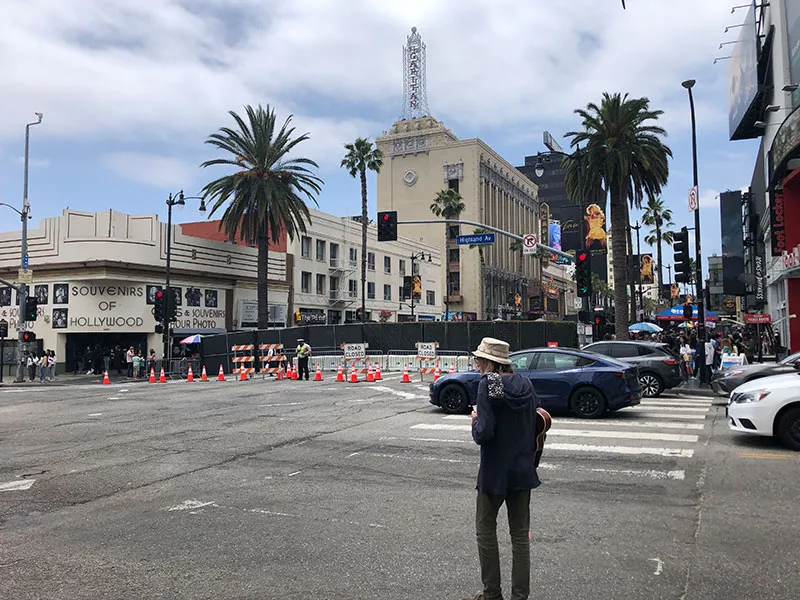
  8. Souvenirs of Hollywood. The name says it all. Located on the corner of Hollywood Blvd and Highland Ave. Just across from the Hollywood and Highland Center. See the photo in this post.
  9. Let’s not forget Funko. Their little celebrity images known as “pops” are truly unique and collected by many around the world.

When it comes to buying souvenirs in Hollywood, CA, the options are as diverse as the city itself.

http://staging.startracktours.com

hollywood metro station interior

Getting Around More Than Hollywood

Travel Tips for Tourists Looking for Things to Do in Los Angeles

Our bus tours of Hollywood will certainly show you the best sights in the area, but what about the rest of Los Angeles? And, if you’re not staying in Hollywood, how should you deal with getting here including parking? Not to worry, L.A. has some good public transportation options that will save you time and money.

The Los Angeles Metro

The Los Angeles Metro, also known as Metro or L.A. Metro, is the public transportation system serving Los Angeles County and parts of neighboring counties in Southern California. It is operated by the Los Angeles County Metropolitan Transportation Authority (Metro), and it consists of a network of buses and rail lines that provide transportation options for residents and visitors alike.

hollywood metro station interior

hollywood metro station interior

The Metro system plays a crucial role in easing traffic congestion and reducing reliance on private vehicles in Los Angeles, offering an alternative for those who prefer not to drive or want to explore the city without the hassle of parking. Here’s an overview of the Metro system:

  1. Rail Lines: The Metro rail network consists of six lines, each designated by a letter or color: a. Red Line: The Red Line runs between North Hollywood and Union Station, passing through downtown Los Angeles. It is a subway line that connects several prominent areas, including Hollywood, Koreatown, and Universal City. b. Purple Line: The Purple Line is an extension of the Red Line and currently operates between Union Station and Wilshire/Western. Ongoing construction will extend the line further westward, ultimately reaching Westwood. c. Blue Line: The Blue Line connects downtown Los Angeles with Long Beach, making it the oldest and one of the busiest lines in the Metro system. d. Expo Line: The Expo Line operates between downtown Los Angeles and Santa Monica, providing a convenient connection to the beach. e. Gold Line: The Gold Line connects Pasadena with East Los Angeles, passing through Chinatown and Union Station. f. Green Line: The Green Line is a light rail line that runs between Redondo Beach and Norwalk, connecting with other lines at multiple points.
  2. Bus Services: Metro operates an extensive bus network with numerous routes that cover a wide range of areas in Los Angeles County. The buses serve as a vital mode of transportation, connecting neighborhoods, commercial areas, and other destinations. Metro buses operate on various schedules, including local, rapid, and express routes.
  3. Metro Rail Stations: The Metro rail system has numerous stations located throughout Los Angeles County. These stations provide access to popular destinations, employment centers, educational institutions, and entertainment venues. Stations are equipped with ticket vending machines, fare gates, and other amenities to facilitate passenger flow and convenience.
  4. Fares and Payment: Metro fares vary depending on the distance traveled and the type of service used (rail or bus). The TAP card is the universal fare payment system used across the Metro system. Passengers can load value onto their TAP cards and use them to pay for rides on buses and trains. Additionally, daily, weekly, and monthly passes are available for unlimited travel within specific timeframes.
  5. Accessibility: Metro is committed to providing accessibility for all passengers. All Metro rail stations and buses are equipped with accessibility features, including elevators, ramps, and designated seating areas for individuals with disabilities. Metro also offers reduced fares for seniors, students, and disabled individuals.
  6. Schedules and Hours of Operation: Metro rail lines typically operate from around 4:30 AM to midnight on weekdays, with extended hours on weekends and for special events. Bus schedules vary by route, with some operating 24 hours a day.
  7. Integration with Other Transit Systems: Metro coordinates with other transit agencies in the region to provide seamless connections and a comprehensive transportation network. This includes connections to Metrolink, a regional commuter rail service, as well as municipal bus systems in neighboring cities.
  8. Future Expansion: Metro has ongoing expansion plans to improve and expand the rail network, including extending existing lines and building new ones. This includes the ongoing construction of the Purple Line extension and the development of the Crenshaw/LAX Line, among other projects.

The Los Angeles Metro system continues to evolve and adapt to meet the transportation needs of a growing region. With its rail lines, extensive bus network, and commitment to accessibility, the Metro offers a viable alternative to driving, helping residents and visitors navigate the vast expanse of Los Angeles County more efficiently and sustainably.

https://Startracktours.com

Hollywood Show website part of your Tour

Love Hollywood Tours?

Also Try The Hollywood Show in Burbank: Living Hollywood History Right in Front of You

Los Angeles, the entertainment capital of the world, offers an array of attractions to visitors seeking a taste of Hollywood glamour. Our Hollywood tours are your #1 stop when visiting Tinseltown to see where the stars of today and yesterday live and work. But there’s another reason to visit Southern California and for Hollywood fans it’s a real treat. Among the many events in the city, the Hollywood Show in Burbank stands out as a premier gathering for fans of film and television. This article explores the myriad reasons why attending the Hollywood Show is a must for anyone visiting Los Angeles.

  1. The Ultimate Celebrity Experience

The Hollywood Show serves as a mecca for fans eager to meet their favorite celebrities up close and personal. The event attracts a diverse lineup of stars from classic movies, beloved TV shows, and contemporary entertainment. From legendary actors to iconic musicians and even renowned directors, visitors have the chance to interact with their idols through autograph signings, photo opportunities, and engaging conversations. This unparalleled celebrity experience creates lasting memories and offers a unique glimpse into the world of Hollywood.

  1. A Journey Through Hollywood History

For film enthusiasts, the Hollywood Show offers an extraordinary opportunity to delve into the rich history of the industry. The event brings together actors and actresses from different eras, providing a comprehensive journey through the evolution of cinema. Visitors can meet stars from iconic movies, learn about behind-the-scenes anecdotes, and discover fascinating trivia about their favorite productions. The Hollywood Show acts as a time capsule, celebrating the legacy of Hollywood and preserving the magic of the silver screen.

  1. Exclusive Memorabilia and Collectibles

The Hollywood Show isn’t just about meeting celebrities—it also boasts a vast marketplace filled with exclusive memorabilia and collectibles. Attendees can browse through an extensive selection of movie posters, vintage photographs, rare artifacts, and autographed items. Whether you’re a seasoned collector or simply looking for a unique memento, this treasure trove of Hollywood memorabilia offers something for everyone, making it an ideal destination for those seeking a piece of Tinseltown history to take home.

  1. Networking Opportunities and Industry Insights

The Hollywood Show isn’t only for fans; it also attracts professionals and aspiring individuals from the entertainment industry. Attendees can connect with fellow enthusiasts, aspiring actors, and industry insiders, creating valuable networking opportunities. Moreover, the event often hosts panel discussions, Q&A sessions, and workshops, allowing visitors to gain insights into the world of showbiz. These educational and informative experiences make the Hollywood Show an exceptional platform for those looking to forge connections and learn from industry veterans.

  1. A Hub of Pop Culture

Los Angeles and Hollywood have been at the forefront of shaping pop culture for decades. The Hollywood Show captures the essence of this cultural phenomenon, acting as a hub for fans of movies, TV shows, music, and more. From sci-fi and fantasy franchises to iconic sitcoms and legendary rock bands, the event celebrates the vast tapestry of pop culture that has captivated audiences worldwide. By attending the Hollywood Show, visitors immerse themselves in a vibrant community that shares their passion for the arts.

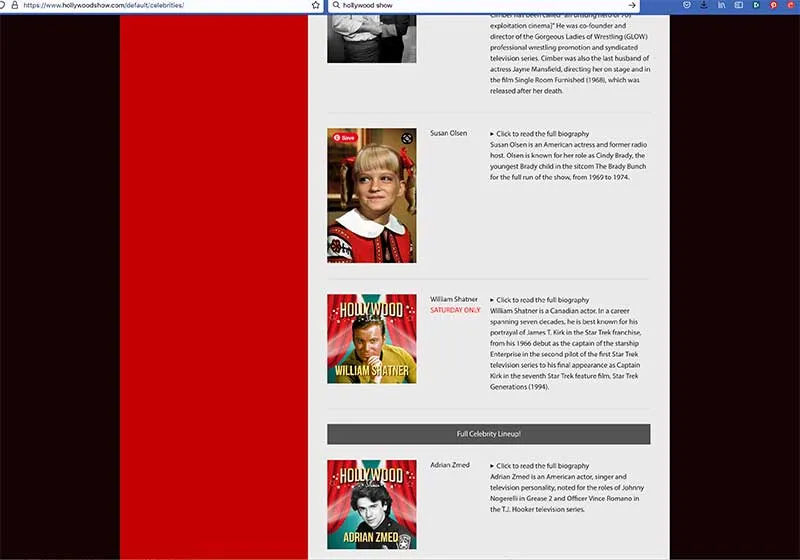
The Hollywood Show in Burbank is a captivating event that encapsulates the allure and magnetism of Hollywood. Visitors to Los Angeles seeking an extraordinary experience should not miss the opportunity to attend this unparalleled gathering of celebrities, film enthusiasts, and pop culture aficionados. From meeting their favorite stars to exploring the vast array of memorabilia, the event offers a unique blend of entertainment, history, and networking. By attending the Hollywood Show, visitors embark on a memorable journey through the heart of Hollywood, gaining insights into the industry, forging connections, and celebrating the timeless allure of the silver screen. After your tour of Hollywood with Star Track Tours, you just might catch a real Star TREK cast member like Capt. Kirk himself signing autographs at the Hollywood show!

Hollywood Show website part of your Tour

Hollywood Show website part of your Tour

www.startracktours.com

Silent Film Landmarks in Hollywood, California: Capturing the Golden Age of Cinema

Tours of Hollywood, California show you a legendary place synonymous with the glitz and glamour of the film industry. It was during the silent film era that Hollywood established itself as the epicenter of filmmaking, captivating audiences worldwide with its magical storytelling. In this article, we delve into the iconic locations in Hollywood where famous silent movies were filmed, taking a nostalgic journey through the golden age of cinema.

  1. The Hollywood Sign; No landmark encapsulates the allure of Hollywood better than the world-renowned Hollywood Sign. Originally erected in 1923 as an advertisement for a real estate development, the sign has become an enduring symbol of the entertainment industry. Many silent films used the sign as a backdrop, showcasing the charm and grandeur of the burgeoning film capital.
  2. Grauman’s Chinese Theatre: Grauman’s Chinese Theatre, now known as TCL Chinese Theatre, has witnessed countless premieres and historic moments in Hollywood’s history. Built in 1927, the theater’s iconic architecture and ornate design made it a preferred venue for many silent movie premieres. Stars of the era, such as Charlie Chaplin and Mary Pickford, graced its red carpet, leaving their handprints and footprints in the forecourt, immortalizing their legacies.
  3. Sunset Boulevard: Sunset Boulevard, a legendary street stretching from downtown Los Angeles to the Pacific Ocean, has been featured in numerous silent films. Its scenic route became a symbol of the city’s opulence and a favorite location for filmmakers. Silent classics like “Sunset Boulevard” (1929) and “What Price Hollywood?” (1932) used the boulevard’s landmarks and stunning views to capture the essence of Hollywood’s glamour.
  4. Hollywood Forever Cemetery: Established in 1899, Hollywood Forever Cemetery is the final resting place of many silent film luminaries, including Rudolph Valentino, Douglas Fairbanks Sr., and Marion Davies. This historic cemetery not only serves as a tribute to these legendary figures but also offers a unique glimpse into the silent film era. Visitors can pay their respects while exploring the beautifully landscaped grounds and attending special screenings of silent films during summer nights.
  5. The Ambassador Hotel: The Ambassador Hotel, which stood from 1921 to 2005, was a popular filming location during the silent film era. It served as the backdrop for notable movies such as “It” (1927), starring Clara Bow. The hotel’s elegance and grandeur perfectly captured the spirit of Hollywood during that time. Although the original hotel is no longer standing, its former location remains significant, reminding us of the golden era of silent films.

Exploring the locations where famous silent movies were filmed in Hollywood takes us back to the pioneering days of cinema. From the Hollywood Sign to Grauman’s Chinese Theatre and Sunset Boulevard, these landmarks symbolize the magic and allure that continues to make Hollywood the heart of the film industry. It is through these locations that the silent film era lives on, forever etched in the annals of cinematic history.

Some Specific Silent Film Locations on Your Hollywood Tour

Numerous silent movies were filmed in Hollywood during the golden era of silent cinema. Here are some notable examples:

  1. “The Birth of a Nation” (1915): Directed by D.W. Griffith, this groundbreaking epic was one of the earliest silent films to be shot extensively in and around Hollywood. It played a significant role in establishing the film industry in the area.
  2. “Intolerance” (1916): Also directed by D.W. Griffith, “Intolerance” explored themes of love and prejudice across four different time periods. Many scenes were filmed on elaborate sets constructed in Hollywood.
  3. “The Kid” (1921): Charlie Chaplin’s classic comedy-drama was partially filmed in Hollywood and showcased various locations in the area. The film tells the heartwarming story of a tramp who befriends an abandoned child.
  4. “The Gold Rush” (1925): Another iconic film by Charlie Chaplin, “The Gold Rush” was filmed in various locations in California, including Hollywood. It follows the adventures of Chaplin’s character, the Little Tramp, during the Klondike Gold Rush.
  5. “Metropolis” (1927): Directed by Fritz Lang, this groundbreaking German expressionist film featured futuristic sets and stunning visual effects. Some scenes were filmed in Hollywood, contributing to its status as a silent film masterpiece.
  6. “The Artist” (2011): While not a silent film from the golden era, “The Artist” pays homage to the silent era. It was filmed in various locations in Los Angeles, including Hollywood, and depicts the story of a silent film star during the transition to talkies.

These are just a few examples of the many silent movies that were filmed in Hollywood. The area served as a hub for film production during that time, attracting filmmakers from around the world and establishing Hollywood’s reputation as the center of the movie industry.

Chaplin’s “The Kid”

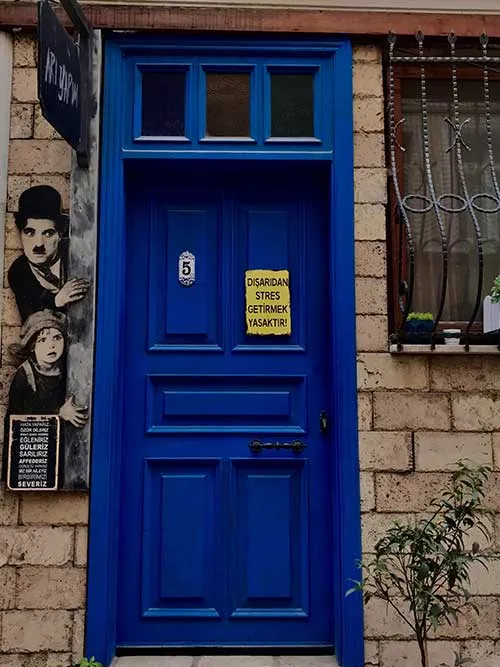
“The Kid” (1921) is a beloved silent film directed by and starring Charlie Chaplin. The movie tells the story of the Tramp, played by Chaplin, who takes care of an abandoned child, portrayed by Jackie Coogan. While the film predominantly used studio sets, there were a few notable filming locations for “The Kid.”

Chaplin image of The Kid filmed in Hollywood

Chaplin image of The Kid filmed in Hollywood

  1. Los Angeles Orphan Asylum: The exterior shots of the orphanage where the child is initially left were filmed at the Los Angeles Orphan Asylum. Located at 917 S. Boyle Avenue in Los Angeles, this building provided the backdrop for the emotional scenes of separation.
  2. Glendale Train Station: The scene in which the Tramp and the child hide from the police officers inside a railroad boxcar was filmed at the Glendale Train Station. The station, located in Glendale, California, provided an authentic setting for the comedic and tender moments shared by Chaplin and Coogan.
  3. Echo Park: The climax of the film takes place in Echo Park, Los Angeles, where the Tramp fights to rescue the child from the clutches of the orphanage workers. Echo Park’s scenic lake and picturesque surroundings added a dramatic touch to the pivotal scenes of the film.
  4. Studio Sets: The majority of the filming for “The Kid” took place on studio sets, including Chaplin’s own studio, the Chaplin Studios (later known as the Jim Henson Studios). These sets recreated various urban and residential locations, allowing Chaplin to meticulously craft the world of the film.

While the film primarily relied on constructed sets, the use of real locations like the Los Angeles Orphan Asylum, Glendale Train Station, and Echo Park added authenticity and depth to the storytelling, complementing Chaplin’s iconic performances and emotional narrative in “The Kid.”

Any Hollywood Tour worth its salt will give you some insight into the films and filmmakers that had an impact on what Hollywood eventually became. Some locations still exist. Others exist only in memories and on film.

http://www.staging.startracktours.com

Hollywood tour bus

Hollywood Tour Company Launches Upgraded Fleet

Star Track Tours, a longtime Hollywood tour bus company announced the overhaul of their fleet of tour buses as of March 2023. The renovations and upgrades will provide even greater comfort for tourists wishing to view famous sights in Hollywood, take Beverly Hills tours or schedule private Los Angeles city tours.

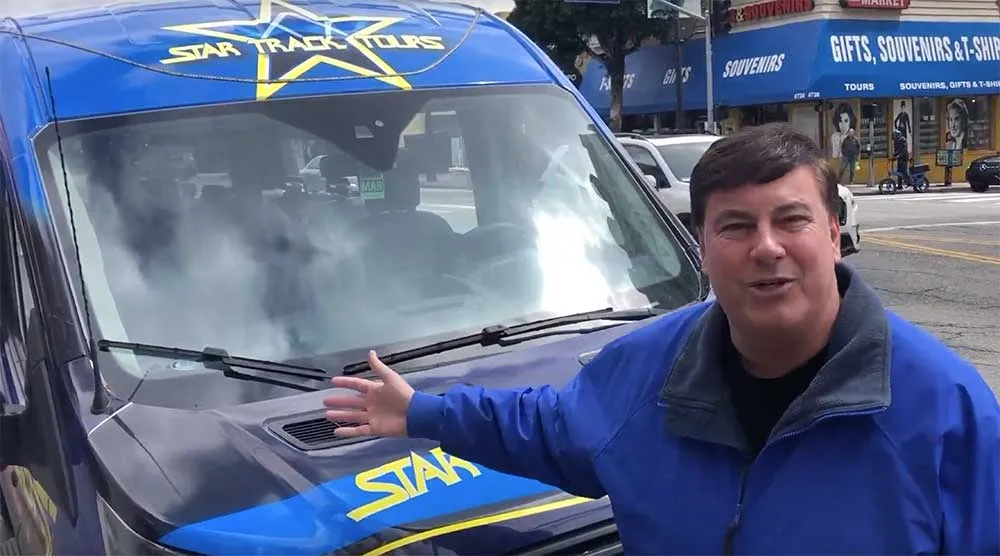
Companies such as Star Track Tours rely on smaller mini buses to shuttle passengers around Hollywood and Beverly Hills. Star Track specifically uses modified Ford Transit Vans which seat 13 passengers. The rather low-profile vehicles with side windows removed allow tourists to take unobstructed photos of any landmark, celebrity home or point of interest while on the tour. A roof keeps out sun and rain. Over the years, with thousands of tourists opting to take sightseeing tours, interiors as well as exteriors tend to deteriorate. In a highly-competitive niche, tour operators like Star Track Tours must maintain their fleets to attract new customers and keep the positive reviews flowing on social media.

Star Track Tours has invested in new exterior artwork on all their buses as well as new upholstery for the seats. The vehicles have all received new vinyl wraps and the seats have been reupholstered in PU leather. The seats have all been re-cushioned, as well, making the ride even more comfortable for visitors. Regular maintenance is also performed on the vehicles’ engines, tires and other mechanical or electrical items.

Hollywood tour bus

Hollywood tour bus upgraded for comfort

Jeff Napshin, principal of Star Track Tours, emphasized the importance of the upgrades. “We have to be the best in everything so that people choose us instead of our competition. It’s not just the tours themselves and the sights people see. It’s the whole experience. That includes how our buses look and how clean and comfortable the seats are.” Napshin also alluded to the competitive nature of the Hollywood tours industry. “We all want those five-star reviews. It’s critical in this business. I don’t want someone saying the tour was fantastic—which it is—but the seats on the bus were worn out. It really does make a difference.”

About Star Track Tours

Star Track Tours is a Hollywood and Beverly Hills tours company founded in 2014. The company provides guided bus tours of Hollywood, celebrity homes and other points of interest in Southern California. It is based in Hollywood. The company’s website is https://www.staging.startracktours.com.

http://staging.startracktours.com

Super Mario Bros. Tours in Hollywood

New “World” At Universal Studios Will Attract Millions

If the success of the Super Mario Bros. movie is any indication, the new Super Nintendo World at Universal Studios Hollywood will become a major success story and one more reason for people to visit us in Southern California. We hope while you’re here you’ll take advantage of our Hollywood tours and see the historical Hollywood as well as this new Universal cash cow.

Are You Ready for Super Nintendo World?

Super Nintendo World, is a themed area at Universal Studios theme parks that is based on the popular video game franchise, Super Mario Bros.

The first Super Nintendo World opened at Universal Studios Japan in Osaka in March 2021. The area features a range of attractions, including a Mario Kart ride, an interactive Yoshi ride, and a re-creation of Bowser’s Castle. There are also restaurants, shops, and interactive elements throughout the area.

Mario of Super Nintendo World Hollywood

Mario of Super Nintendo World Hollywood

The Mario Kart ride, called Mario Kart: Koopa’s Challenge, is a highlight of Super Nintendo World. It features a trackless ride system and allows guests to compete in a virtual race with other riders. Guests wear augmented reality (AR) headsets that transport them into the world of Mario Kart.

The Yoshi ride, called Yoshi’s Adventure, is a family-friendly attraction that takes guests on a gentle ride through a vibrant landscape filled with characters and obstacles from the Super Mario Bros. franchise. The ride vehicles are designed to look like Yoshis, the dinosaur-like creatures that appear in the games.

Bowser’s Castle is another popular attraction at Super Nintendo World. Guests can explore the castle and interact with various elements, such as hitting blocks with their hands to reveal power-ups or facing off against Bowser Jr. in an AR game.

Overall, Super Nintendo World is a highly immersive and interactive theme park area that brings the world of Super Mario Bros. to life.

Super Mario Bros. is a classic video game that was developed and published by Nintendo in 1985. It is one of the most iconic video games of all time and has since spawned a franchise that has become an integral part of popular culture.

A brief history of Super Mario Bros:

In the early 1980s, Nintendo was a relatively unknown video game company in the United States. In Japan, however, they had already achieved success with arcade games like Donkey Kong and Mario Bros. The latter game introduced the world to the character of Mario, who would go on to become the company’s mascot.

In 1985, Nintendo released Super Mario Bros. for the Nintendo Entertainment System (NES). The game was a massive success, and it is credited with helping to revive the video game industry, which had suffered a crash in 1983.
Super Mario Bros. follows the adventures of Mario and his brother Luigi as they try to rescue Princess Toadstool from the evil Bowser. The game consists of eight worlds, each with four levels, and the player must navigate through various obstacles and enemies to reach the end.

The game’s success led to the creation of a franchise that has spanned over three decades. Numerous sequels and spin-offs have been released, and Mario has become one of the most recognizable video game characters of all time. The franchise has also expanded beyond video games, with movies, TV shows, and even a theme park.

In conclusion, Super Mario Bros. is a classic video game that has had a lasting impact on popular culture. Its success helped to revive the video game industry, and it has since become one of the most iconic video game franchises of all time.

Kids and adults alike should flock to Universal Studios to experience this new attraction. Of course Hollywood has tons more to offer and a fun-filled tour of Hollywood with Star Track Tours should be on your list to make sure you squeeze every drop out of your SoCal tourism adventure. Book now!

https://staging.startracktours.com